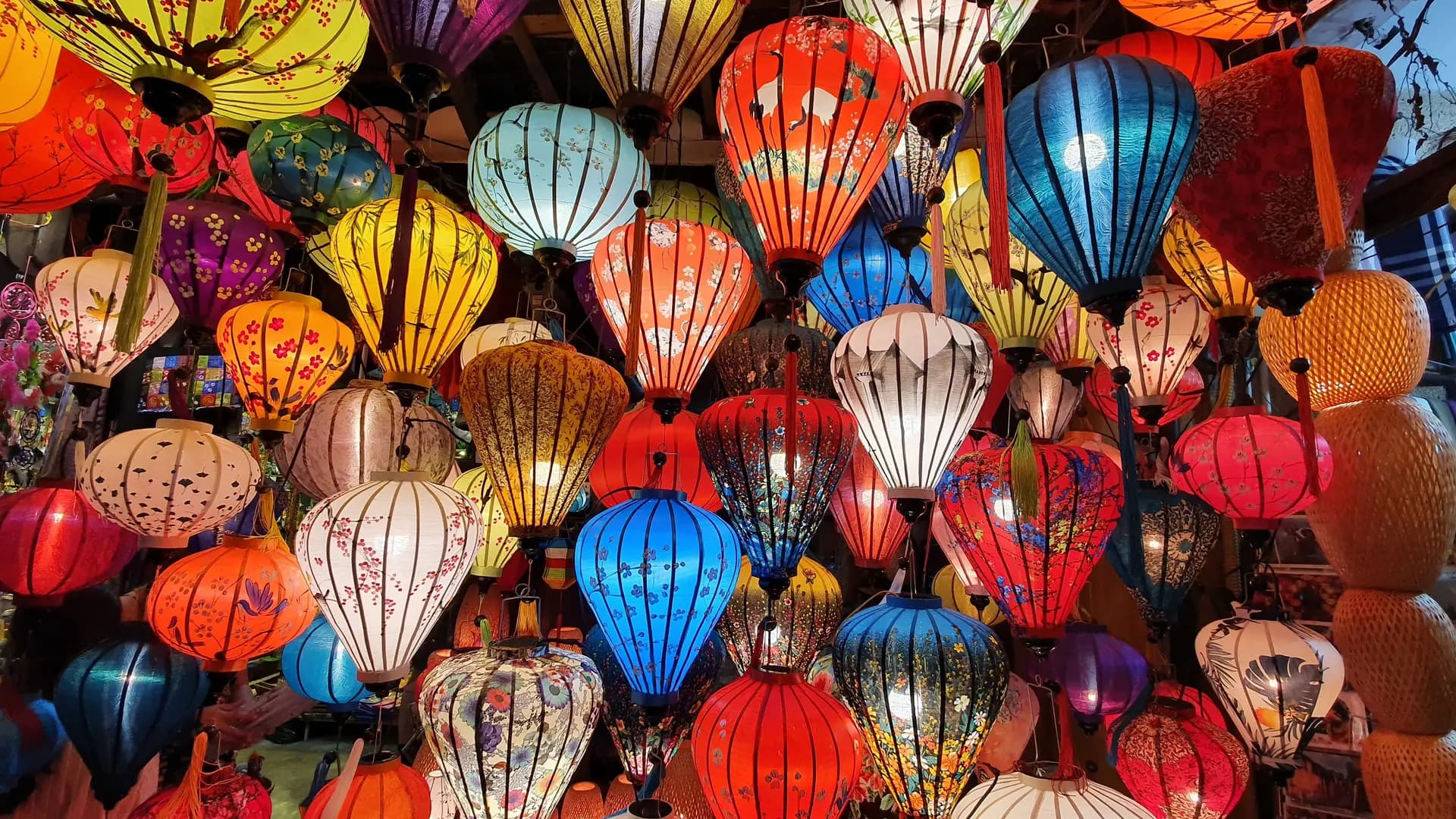
Slow luxury is not about doing less for its own sake. It is about doing fewer things, more deeply, and designing the space in between. A few honest words on the idea.
Not a slogan, a method
Slow luxury travel has become a brochure phrase, which is a shame, because the thing it points at is real and worth defending. It is not about doing less for the sake of it, nor about moving at a crawl. It is about doing fewer things, more deeply, and deliberately designing the time in between.
The opposite is the itinerary packed to its margins: three countries in ten days, a sight before breakfast, a transfer every afternoon. That is not generous; it is anxious. Slow luxury is the confidence to leave room.
Fewer places, longer stays
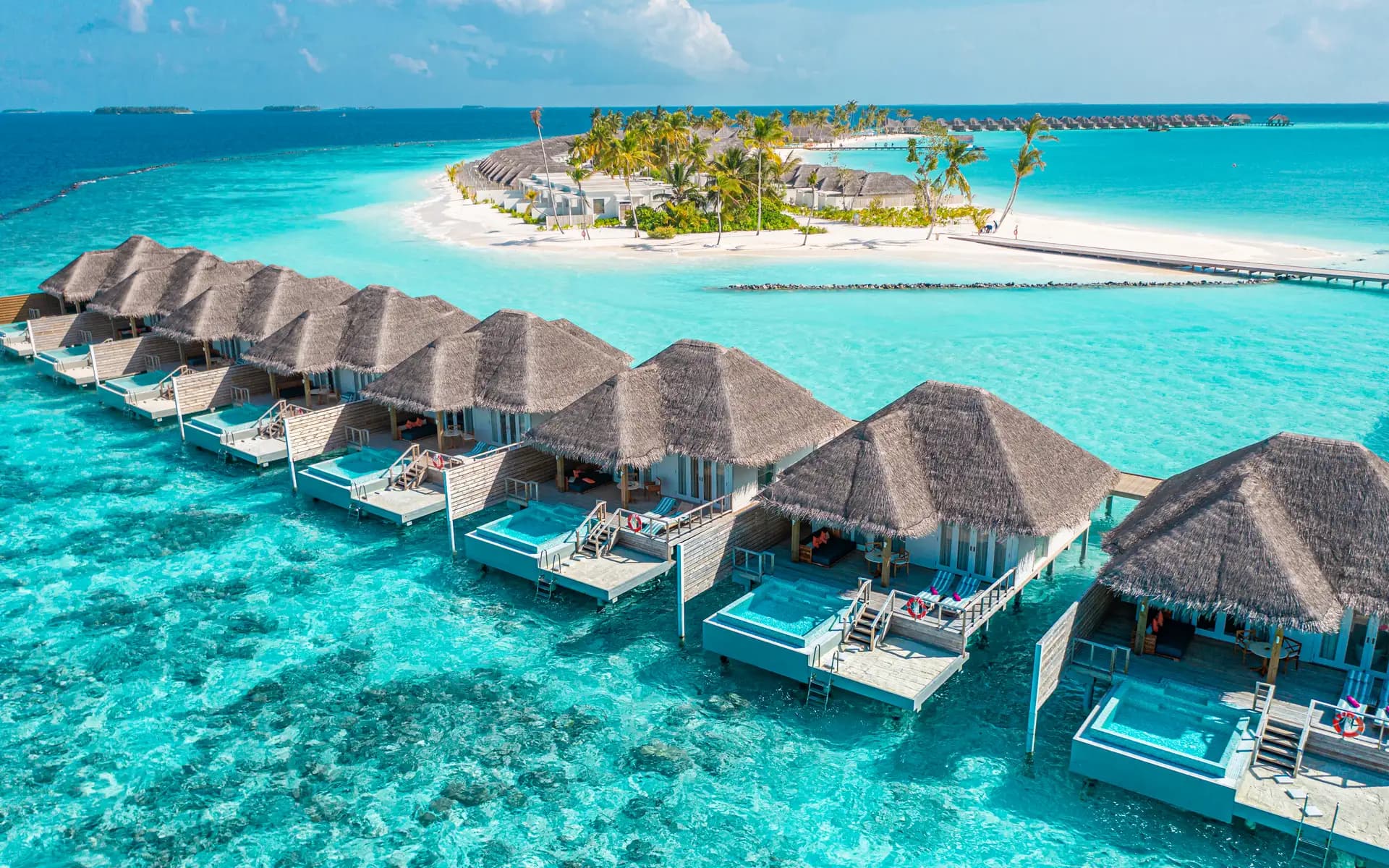
The first principle is simple: stay longer in fewer places. Three nights somewhere lets you find the second-best restaurant, the morning walk, the table the staff start saving for you. One night gives you a lobby and a checkout.
We would almost always rather send you deep into two regions than skimming across five. Depth is where travel stops being a list of sights and starts becoming a memory of a place.
The empty afternoon
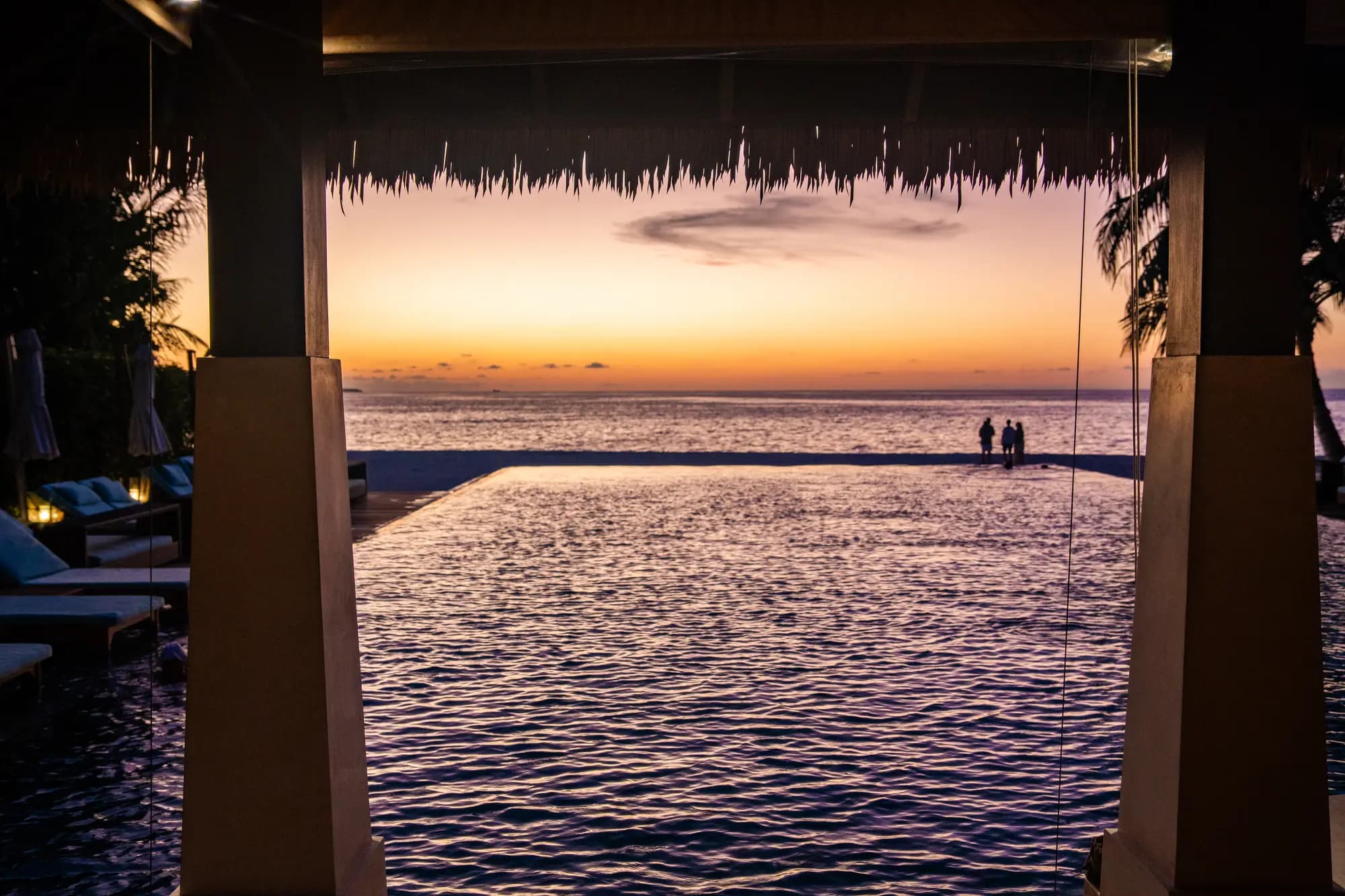
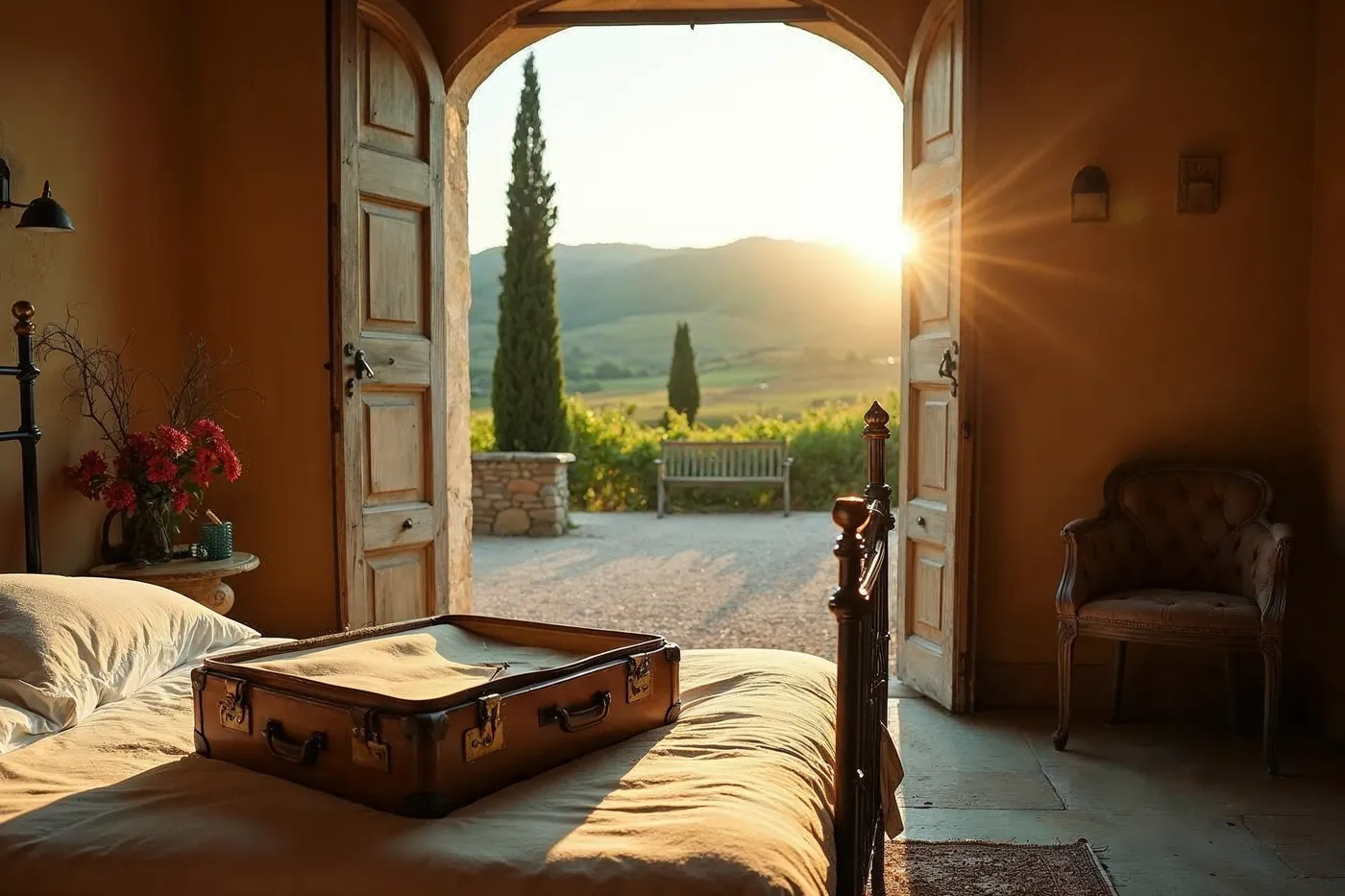
When travellers come home and tell us about their trip, they rarely lead with what we booked. They lead with an unplanned afternoon: a swim, a nap, a market they wandered into, a conversation that ran long. So we design for it, and resist the urge to fill it.
Designing for nothing is harder than it sounds. It takes confidence to hand someone an open day and trust the place to do the rest. But the place always does, which is rather the point of choosing it so carefully.
Why luxury makes slowness possible
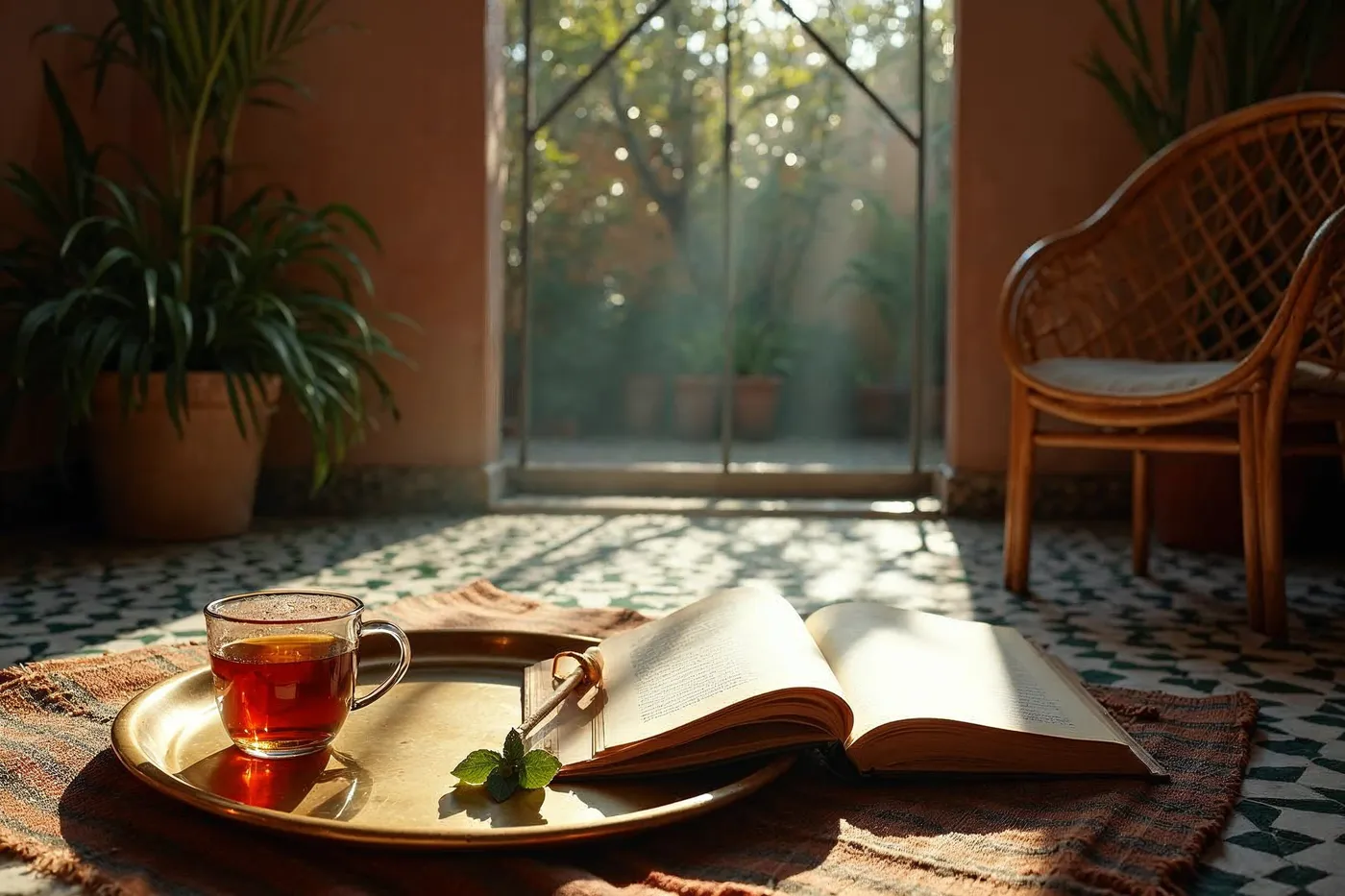
Comfort is not the opposite of meaning here; it is what enables it. A beautiful, quiet base to return to, the logistics handled invisibly, no friction between you and the day: that is what lets you stop optimising and simply be present. Luxury, in this sense, is the absence of friction.
And it is what makes slowness restful rather than dull: you are not doing less because there is nothing to do, but because everything tiresome has already been taken care of.
How we build it
We cap at twenty-four journeys a year precisely so we can travel this way with each of them: fewer places, longer stays, room left on purpose, and one concierge holding the details so you never see the work. It is the whole reason the atelier exists.
Tell us what you would like to put down for a while, and we will build the space for it. Beyond the itinerary, for moments you can't map.
Frequently asked
What does slow luxury travel actually mean?
Doing fewer things more deeply, and deliberately leaving unstructured time: fewer destinations, longer stays, and the logistics handled so well that you can simply be present. It is the opposite of a packed, restless itinerary.
Isn't a slower trip just doing less?
No: it is doing the right things and leaving room around them. The unplanned afternoons are designed in on purpose, because they are so often the part travellers remember most.
How does luxury fit with slowness?
Comfort is what makes slowness restful rather than dull. A quiet base and friction-free logistics let you stop managing the trip and be fully in it.
How do you build a slow journey?
We stay longer in fewer places, leave deliberate space in the days, and put one concierge in charge of every detail, which is also why we cap at twenty-four journeys a year.